
In-person roleplay: how scoring works
In-person roleplay mode is built for face-to-face training scenarios: product demos, on-site meetings, and conversations where the team member is not on a phone or video call. This article covers how scoring works in in-person mode and how it differs from voice roleplay.
For setup instructions, see Create an in-person roleplay agent and Intro to in-person roleplay agents.
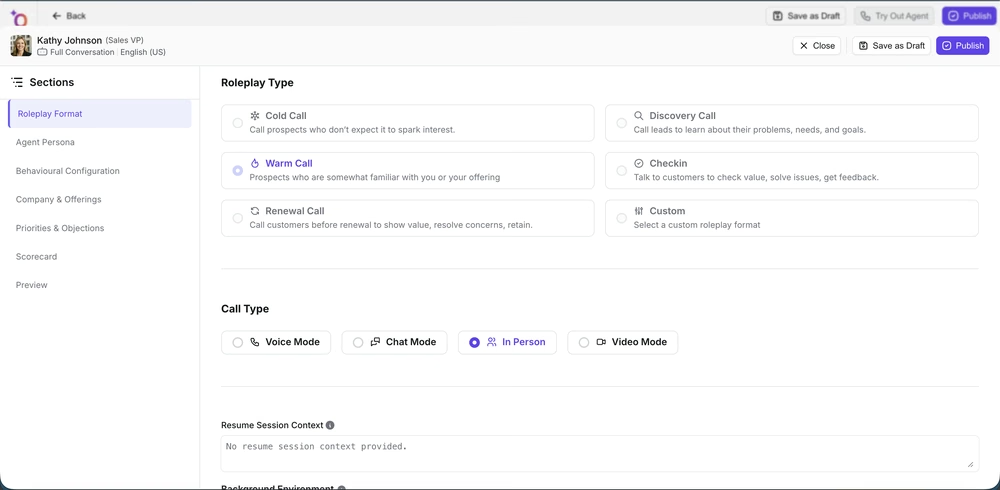
In Person is one of four Call Type options, alongside Voice, Chat, and Video.
How in-person scoring works
In-person roleplay uses the same scorecard system as voice roleplay. After the session, the AI evaluates the team member against the criteria defined in the assigned scorecard. The criteria, weights, and scale options are configured the same way; there is no separate in-person scorecard type.
Managers can also add a manual score to any in-person session, the same way they can for voice sessions. Manual scoring lets a manager or coach who observed the session override or supplement the AI score with their own assessment.
How it differs from voice roleplay
In voice roleplay, the AI analyses the audio recording: tone, pacing, filler words, and spoken content. In-person mode does not capture audio of the team member's side of the conversation in the same way. The AI evaluates the content of the exchange based on what the team member typed or said through the interface.
The practical difference is that in-person scoring focuses on the substance of what the team member communicated, not delivery characteristics like talk speed or vocal confidence. If those matter to you, voice mode is the better fit. In-person mode works better for practising the structure and logic of a conversation: what you said, when, and how you handled objections.
What to use in-person mode for
- Training team members who do on-site meetings or product demonstrations
- Scenarios where the physical setting matters, such as a boardroom negotiation, a trade show demo, or a site visit
- Evaluating discovery or objection handling logic without the pressure of real-time spoken delivery
- Asynchronous practice, where the team member can work through a scenario without a live call setup
Hope this article was helpful. For any queries, please write to support@outdoo.ai