
About AI Roleplay
Roleplay in Outdoo lets reps practice real sales and customer conversations with AI personas before running them live. You get a realistic conversation partner, instant scoring, and feedback tied to your actual playbook without scheduling a live coach.
Roleplay is one of three ways Outdoo works. Reps prepare through roleplay, run live conversations that get recorded and analyzed, and practice post-call workflows through software simulation. These three connect deliberately. The same scoring logic runs across all of them so you can see whether practice is showing up in real calls.
What AI roleplay is
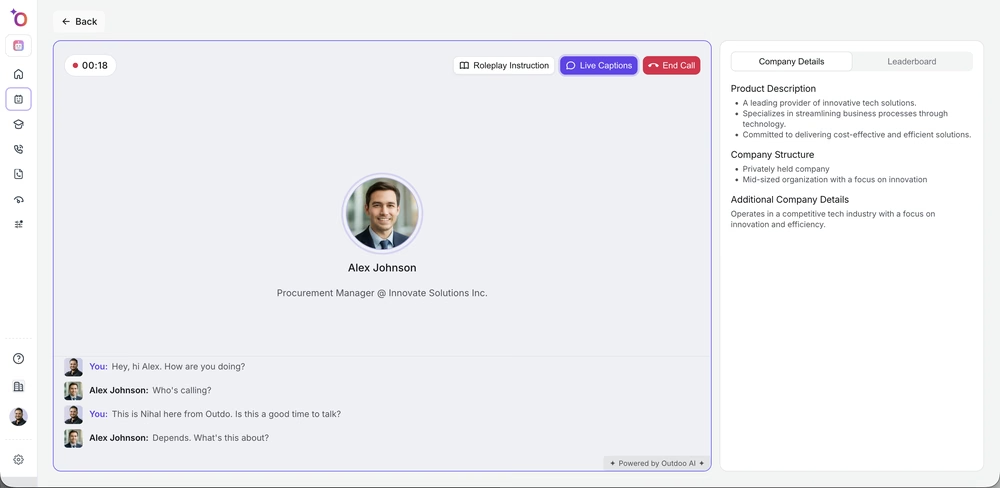
Instead of a human playing the buyer, an AI persona takes that role. You have a real conversation, speaking or typing, and the AI responds based on the scenario, the buyer's situation, and the objections you have set up. It does not follow a script. It reacts to what you say.
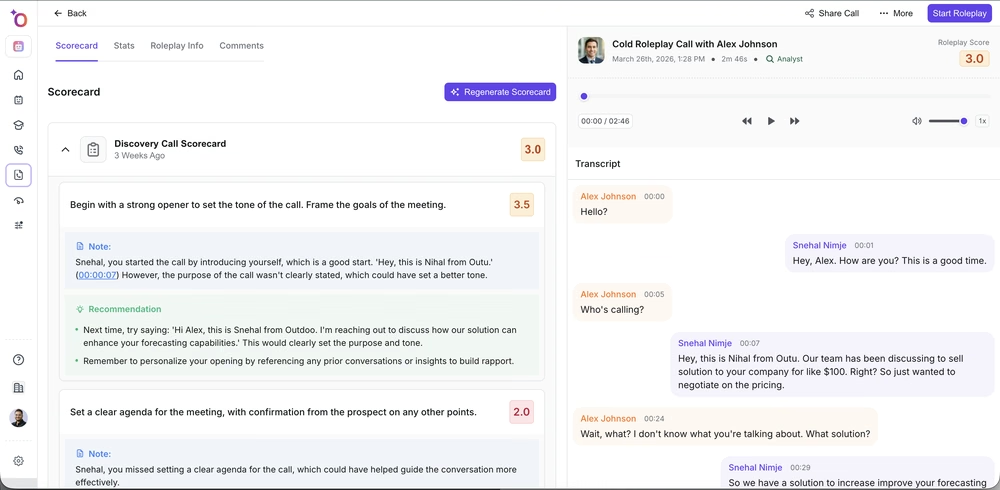
After the call ends, you get a scorecard. The same scorecard framework used to evaluate your live customer calls applies here, so there is no separate grading system to learn.
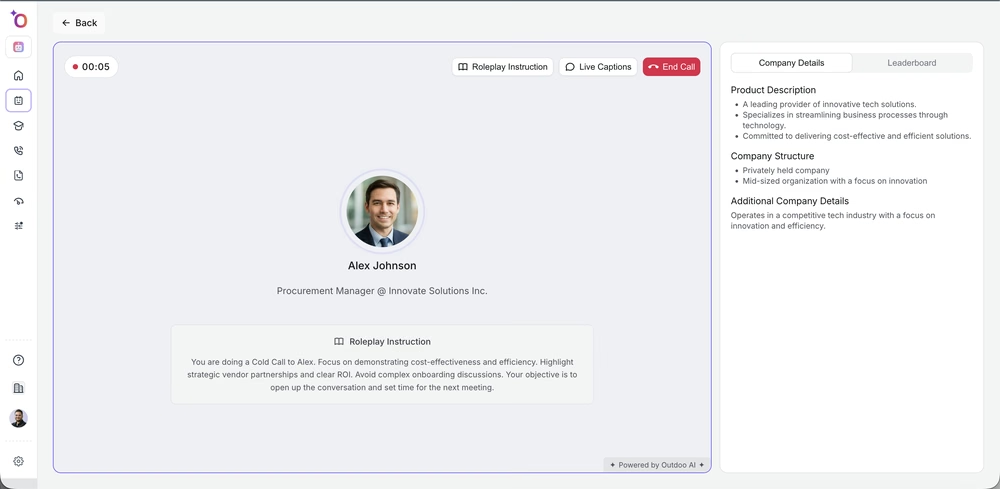
Types of roleplay scenarios
You can practice any stage of a sales or support conversation. Common scenario types include:
- Cold call: AI plays a prospect who does not know you or your product
- Warm call: AI plays someone who filled out a form or had previous contact
- Discovery: AI plays a buyer with hidden pain points; your job is to ask the right questions
- Objection handling: AI plays a skeptical prospect pushing back on price, timing, or need
- Demo simulation: AI asks value and feature questions mid-demo
- Renewal or expansion: AI plays a customer at a decision point
- Customer support: AI plays a frustrated or confused customer
What the call looks like
Scorecard and feedback after the call
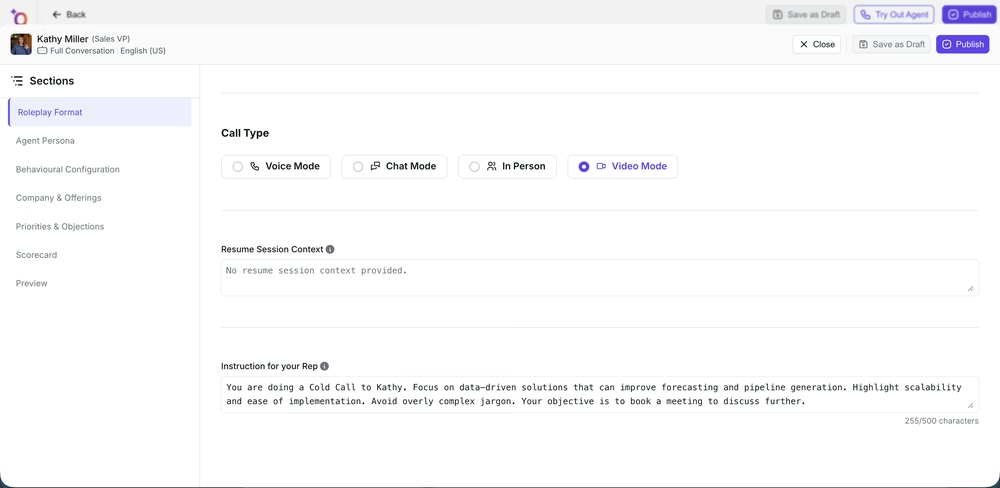
Roleplay agent types
Outdoo supports several agent types depending on how you want to practice:
- Standard buyer bots for voice or text-based practice
- Video avatar roleplay with a lifelike AI face for face-to-face practice
- In-person roleplay agents for practicing without a device, with a human partner
- Gatekeeper agents for practicing the lead-up to a decision maker
- Multi-persona roleplays with up to three AI buyers in a single call, for complex deals
What roleplay is good at
- Repetition without needing a live coach every time
- Practicing specific objections or scenarios before a high-stakes call
- Onboarding new reps on your talk track before they go live
- Running call blitz drills across a team in a short window
Tips that actually help
- Set a clear objective before each roleplay. "Practice objection handling" is too vague. "Practice the pricing objection in a renewal scenario with a skeptical buyer" is specific enough to be useful.
- Read your scorecard feedback before retrying. Repeating the same call without reading the feedback just reinforces the same mistakes.
- Use calls from your own pipeline as source material when creating agents. Roleplays grounded in real customer language are more useful than ones built from generic templates.
To get started, see Intro to roleplay agents or explore how to create a roleplay agent.
If you need help, contact us at support@outdoo.ai.